
Table of Contents
- Why Personalised Outreach for Luxury Brands Demands a Different Approach
- Handwritten Direct Mail for Luxury Brands: Making Tangible Impressions
- Luxury Email Marketing Best Practices That Protect the Brand
- Scaling High-Touch Client Outreach Without Losing the Personal Feel
- Building a Personalised Outreach Campaign: A Practical Framework
- Common Mistakes That Undermine Luxury Outreach
- Conclusion
- Frequently Asked Questions
Last Updated: September 29, 2026
Why Personalised Outreach for Luxury Brands Demands a Different Approach
Personalised outreach for luxury brands is the practice of tailoring every client communication to the individual's history, preferences and status, rather than broadcasting generic campaigns. It works because luxury buyers expect to be recognised, not processed. This guide from RoboQuill breaks down how to run it at scale.
The stakes are high. A prospect who has spent five figures with your brand will notice immediately when a "personal" note arrives with the wrong name, a printed signature, or a discount code meant for new customers. That single moment of friction can undo years of relationship building.
Luxury operates on a different logic to mass-market retail. Volume and speed matter less than perceived exclusivity and care. A generic email blast to a VIP list does not just underperform; it actively signals that the client is not special. That is the opposite of what luxury promises.
Below, we cover the outreach channels that protect brand equity, the practical framework for building a campaign, and the mistakes that quietly erode VIP relationships.
Handwritten Direct Mail for Luxury Brands: Making Tangible Impressions
Handwritten direct mail for luxury brands is physical correspondence written in real pen and ink, sent to high-value clients to create a tangible, personal touchpoint that digital channels cannot replicate. It stands out precisely because almost nobody does it well anymore.
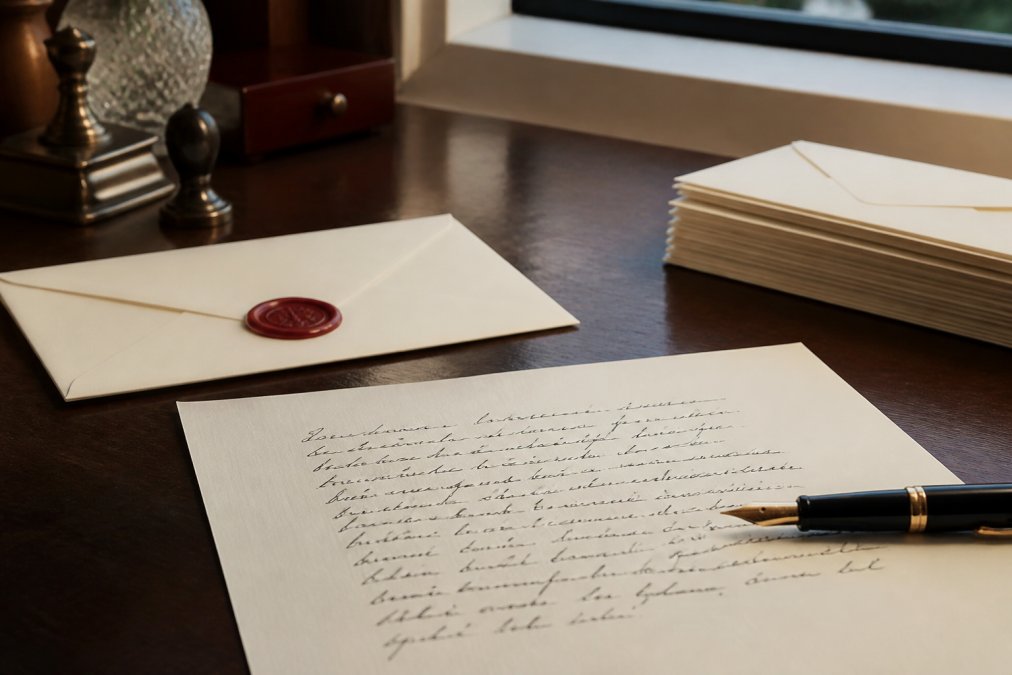
What Real Pen and Ink Signals to a VIP Client
The medium carries a message before a single word is read. Thick stock, a real signature, and the slight variation in ink pressure tell the recipient that someone took time over this. Printed fonts, however elegant, cannot fake that signal, and luxury clients have spent years learning to spot the difference.
A common mistake is treating handwriting as a gimmick bolted onto a digital campaign. It is not. It is a deliberate statement about how much the brand values the relationship.
Where Handwritten Mail Fits in a Luxury Campaign
Handwritten notes work best at specific moments: after a first purchase, after a test drive or viewing, ahead of a private sale, or when a long-standing client has gone quiet. Timing matters more than frequency.
Pro Tip The strongest results come from pairing the handwritten piece with a digital follow-up. Send the letter, then have the client's account manager call or email two to three days later referencing it. The physical note opens the door; the human follow-up walks through it.Luxury Email Marketing Best Practices That Protect the Brand
Luxury email marketing best practices are the conventions that keep digital communication consistent with a premium brand promise: restraint, relevance and recognition. Email still has a role, but the rules are stricter than in mainstream retail.
Start with segmentation. A client who buys twice a year at a high value should never receive the same message as a prospect who has never purchased. Send fewer emails, not more, and make each one feel considered.
Personalisation should go beyond a first name. Reference the specific product category the client has engaged with, their preferred store or advisor, and the timing of their last interaction. If you cannot personalise meaningfully, it is often better to send nothing.
Restraint extends to design. Heavy discount messaging, countdown timers and cluttered layouts read as mass-market.
Scaling High-Touch Client Outreach Without Losing the Personal Feel
Scaling high-touch client outreach is the challenge of applying personal treatment to hundreds or thousands of clients without the process becoming mechanical. The tension is real: the moment outreach feels automated, it stops being high-touch.
Get prices for your campaign →
Key Takeaway The dividing line is simple: automate the logistics, never the sentiment. If a client could tell the difference between two letters by holding them side by side, the personalisation has failed.Building a Personalised Outreach Campaign: A Practical Framework
A personalised outreach campaign works best when it follows a repeatable sequence rather than being assembled ad hoc. The framework below is deliberately short; the discipline is in applying it consistently.
- Define the VIP tier and the trigger event that qualifies a client for outreach.
- Gather the personal details that will shape the message: purchase history, preferences, advisor name.
- Choose the channel mix: handwritten mail, email, or both in sequence.
- Write the message with a specific reason for contact, not a generic greeting.
- Schedule fulfilment and set a follow-up task for the account owner.
- Log the send in the CRM and track the response.
Segmenting Your Database for Genuine Personalisation
Genuine personalisation starts with honest segmentation. Group clients by value, tenure and engagement rather than by demographics alone. A useful starting structure:
- Top tier: highest spend or longest relationship; receives handwritten mail plus a personal call.
- Mid tier: regular purchasers; receives handwritten mail at key moments and tailored email.
- Prospects: engaged but not yet converted; receives a handwritten introduction after a significant interaction.
Measuring Response Rates and Retention Impact
Track response rates by segment and channel, but do not stop there. For luxury, the more telling metrics are repeat purchase rate, average order value and retention over twelve months. A handwritten campaign that produces few immediate replies but lifts retention in the top tier has done its job.
| Metric | What It Tells You | Review Cadence |
|---|---|---|
| Response rate | Immediate engagement with the outreach | Per campaign |
| Repeat purchase rate | Whether loyalty is strengthening | Quarterly |
| Average order value | Whether VIP spend is growing | Quarterly |
| Retention rate | Whether clients are staying | Annually |
Common Mistakes That Undermine Luxury Outreach
The most damaging mistakes in luxury outreach are the ones that quietly signal "you are not special". Watch for these:
- Using the client's name in a template that is otherwise identical to everyone else's.
- Sending a discount to a top-tier client who has never asked for one.
- Over-contacting. Three messages in a week reads as desperation, not care.
- Letting a printed signature stand in for a real one on a handwritten piece.
- Failing to log outreach, so two teams contact the same client within days.
Conclusion
The hardest part of personalised outreach for luxury brands is holding two ideas at once: that every client must feel individually known, and that the programme must run reliably across an entire VIP tier. Most teams can manage one or the other, rarely both.
Frequently Asked Questions
How do luxury brands maintain exclusivity while scaling outreach?
Exclusivity comes from relevance, not volume. Segment your database so only genuinely high-value clients receive premium touches like handwritten letters, while lower-tier contacts get standard email. Personalisation tokens must go beyond first names: reference purchase history, preferences, or a recent interaction. This keeps the experience feeling curated rather than mass-produced, even when you are contacting thousands of people.
What are the best channels for high-end client engagement?
A layered approach works best. Handwritten direct mail for luxury brands creates a tangible, memorable moment that email cannot replicate. Email handles timely updates and convenience. Phone calls or in-person meetings suit top-tier relationships. The key is matching the channel to the client's value and the message's urgency. A thank-you note after a significant purchase lands differently than a promotional email.
How does handwritten correspondence enhance luxury brand perception?
A handwritten letter signals time, effort, and care, qualities that mass-produced digital messages cannot convey. The unique pen pressure, spacing, and flow of real ink on paper make each piece feel individually crafted. For luxury clients accustomed to premium experiences, this tangibility reinforces the brand's positioning. It also breaks through digital clutter: a physical letter demands attention in a way that another email in an overflowing inbox does not.
What is the role of data privacy in luxury marketing outreach?
Luxury clients expect discretion. Under UK GDPR, you must have a lawful basis for processing personal data and be transparent about how you use it. For direct mail, legitimate interest often applies, but you should still offer clear opt-outs. Never share client data with third parties without explicit consent. A breach of trust is far more damaging in the luxury sector than in mass-market retail, where relationships are transactional.
How can luxury brands balance automation with a personal touch?
Automation should handle logistics, not the message itself. Use technology to trigger a handwritten letter when a client reaches a milestone, but let the content feel human and specific. RoboQuill, for example, uses robotic arms with real pens to replicate natural handwriting, so each letter carries unique pen pressure and flow. The automation manages scale; the handwriting preserves authenticity. The client should never feel like they received a template.
How do you measure the ROI of personalised outreach campaigns?
Track response rates, meeting bookings, retention rates, and lifetime value against a control group that received no outreach. For handwritten letters, include a unique URL or QR code so recipients can respond digitally, making attribution straightforward. Integration with your CRM ensures every touchpoint is logged, so you can see which channels drive the strongest results over time.
What turnaround time should I expect for a handwritten letter campaign?
Turnaround depends on volume, list complexity, and delivery requirements. For a typical campaign, allow one to two weeks from finalising your list to letters arriving. Larger volumes or highly personalised content may need longer. Plan your campaign timelines with this in mind, especially if you are coordinating with a product launch or seasonal moment. Always confirm specific timelines with your provider before committing.
Get prices for your campaign