Table of Contents
- What Makes Luxury Direct Mail Stand Out
- Luxury Direct Mail Ideas That Drive Response
- Personalised Direct Mail Examples: Real-World Applications
- Direct Mail Letter Templates and Structure
- Direct Mail Materials and Finishes That Command Attention
- Design Elements That Maximise Open Rates and Engagement
- Measuring Campaign Success and ROI
- Frequently Asked Questions
Last Updated: 18 October 2026
What Makes Luxury Direct Mail Stand Out
Luxury direct mail design cuts through digital clutter in ways email and social media cannot. When a handwritten envelope arrives in someone's letterbox, it demands attention. The tactile experience of opening a premium piece of mail triggers a psychological response that screens simply do not.
The difference between ordinary direct mail and luxury direct mail design lies in intentionality. Every element, paper weight, ink choice, spacing, and personalisation, communicates value. A standard printed letter feels transactional. A luxury piece feels considered, even intimate.
Recipients perceive handwritten mail as coming from a real person, not a marketing machine. That perception shift is where response rates improve.
Pro Tip The most effective luxury direct mail design combines premium materials with authentic personalisation. Generic luxury packaging without real personalisation signals expense but not care. Personalised communication on ordinary paper signals care. Combine both, and you win attention and trust.Luxury Direct Mail Ideas That Drive Response
Successful luxury direct mail ideas share common threads: they feel bespoke, they arrive at the right moment, and they give the recipient a reason to act.
One approach that works consistently is the VIP welcome sequence. When a new high-value customer joins, send a handwritten note within 48 hours thanking them by name and referencing something specific about their purchase. This is not a mass message. It is acknowledgment from a human.
Another proven idea is the milestone recognition. Track customer anniversaries, first purchase, subscription renewal, lifetime spend milestone, and send a handwritten note marking the moment. Include a specific reference to their history with your business. The personalisation makes the difference between a generic thank-you and a genuine acknowledgment.
For B2B companies, the post-meeting follow-up handwritten letter outperforms email by a significant margin. After a sales call or product demonstration, send a brief handwritten note reiterating the key points discussed and your next steps. The handwriting reinforces that the conversation mattered enough to warrant a personal follow-up.
Reactivation campaigns also benefit from luxury direct mail design. If a customer has gone silent, a handwritten letter asking what went wrong and offering a specific incentive to return often succeeds where email does not. The effort of sending physical mail signals that you value their business.
Key Takeaway Luxury direct mail ideas work best when they target a specific customer segment at a deliberate moment in their journey. Spray-and-pray direct mail fails. Intentional, timed, personalised mail succeeds.Personalised Direct Mail Examples: Real-World Applications
Personalised direct mail examples show how specificity drives engagement. Generic luxury packaging fails if the message inside treats the recipient as one of thousands.
A high-end e-commerce brand might send a handwritten note with a new customer's first order, mentioning the specific product they purchased and a detail about why it was chosen for them. This transforms a transactional moment into a relationship moment.
A subscription service could send quarterly handwritten notes to long-term subscribers, highlighting their usage patterns and exclusive benefits unlocked by their loyalty. The note references data the company holds about them, which features they use most, which products they favour, making the communication feel genuinely personalised rather than templated.
A B2B professional services firm might send handwritten letters to prospects after an initial consultation, recapping the specific challenges discussed and how the firm's approach addresses them. The handwriting reinforces the personal connection made during the meeting.
A luxury fashion house could send handwritten notes to VIP customers before new collections launch, inviting them to a private preview. The invitation itself becomes a status symbol, a signal that the customer belongs to an exclusive group.
A car dealership might send a handwritten follow-up letter to someone who has taken a test drive, mentioning the specific model they drove and offering a time-limited incentive. The personalisation references the exact interaction that occurred.
These examples work because they reference specific details unique to each recipient. Personalised direct mail examples that fail are those that insert a name into a generic template and call it personalisation. True personalisation requires knowing something about the recipient that changes the message.
Direct Mail Letter Templates and Structure
Direct mail letter templates should follow a structure that builds engagement without feeling formulaic. The best templates are flexible enough to accommodate personalisation while maintaining consistency.
A strong direct mail letter template opens with a specific reference to the recipient or their action. Not "Dear Valued Customer" but "Hi Sarah, thanks for ordering the Indigo Silk Pillowcase on Tuesday." This immediate specificity signals that the letter was written for them.
The body should address one primary purpose. A direct mail letter trying to sell, educate, and build brand awareness simultaneously dilutes impact. Choose one goal. If the goal is to welcome a new customer, focus on that. If it is to reactivate a lapsed customer, focus on that.
The closing should include a clear next step. What action do you want the recipient to take? Make it specific and easy. "Reply with your preferred date" works better than "We'd love to hear from you."
Direct mail letter templates that perform well often include a handwritten P.S. This is the most-read part of any letter. Use it to add personality or offer a specific incentive.
Watch Out Avoid the template trap: using the same letter structure for every campaign. A welcome letter should feel different from a reactivation letter, which should feel different from a VIP invitation. Vary your opening, tone, and call-to-action based on the campaign goal.The length of a direct mail letter matters. Most effective direct mail letters are one page, handwritten or appearing handwritten. Two pages feel like work. One page feels like a personal note from someone who values the recipient's time.
Direct Mail Materials and Finishes That Command Attention
The physical quality of your direct mail piece communicates before a single word is read. Direct mail materials and finishes separate luxury from ordinary.
Paper weight is the first signal of quality. Thin paper feels cheap. Heavy paper, 120gsm or above, signals investment. Luxury brands often use 200gsm or heavier. The weight in the recipient's hand creates an immediate impression of value.
Texture matters equally. Smooth, glossy paper feels corporate. Textured paper, linen, laid, or felt finishes, feels crafted. The recipient's fingers register the texture before their eyes register the words.
Colour choice in direct mail materials influences perception. White or cream paper reads as classic and premium. Coloured paper can work if it aligns with brand identity, but it risks appearing trendy rather than timeless.
Get prices for your campaign →
Envelope quality is often overlooked. A standard white envelope undermines luxury materials inside. Use envelopes that match the paper quality and weight of the enclosed letter. Kraft paper envelopes, textured finishes, or custom sizes signal premium positioning.
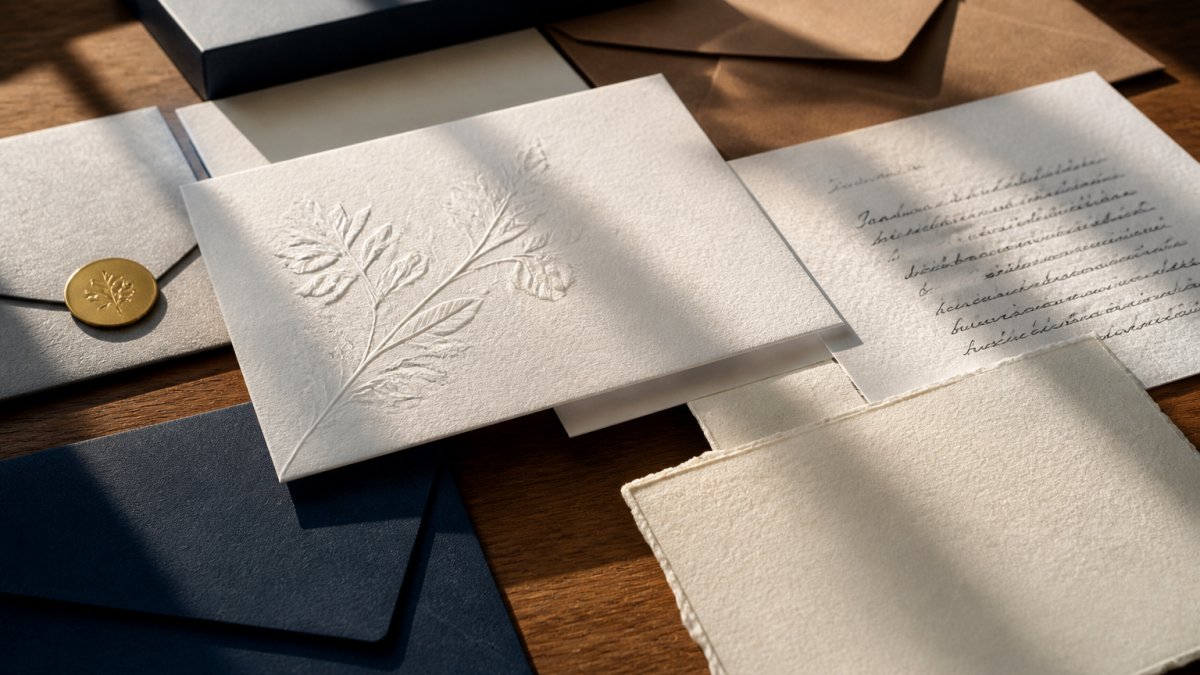
Embossing or foil stamping adds tactile luxury. A subtle embossed logo or border gives recipients something to feel. This physical interaction increases memory retention and perceived value.
Handwriting itself is a material choice. Machine-printed fonts that mimic handwriting fail because they mimic imperfectly. Authentic handwriting, whether human or robotically replicated with natural variation, reads as genuine. The slight inconsistencies in pressure, spacing, and flow are what make handwriting feel real.
Best For Luxury direct mail materials work best for high-value customer segments where the cost-per-piece justifies premium materials.Design Elements That Maximise Open Rates and Engagement
The design elements of luxury direct mail design directly influence whether someone opens the envelope and reads the contents.
The exterior envelope design determines open rates. A plain white envelope with printed address gets opened at lower rates than a textured envelope with a handwritten address. Handwritten addresses are opened more frequently because they appear personal rather than mass-mailed.
The interior layout should guide the eye. Excessive white space feels luxurious. Cramped, dense text feels cheap. Use generous margins and breathing room around key elements.
Typography choices communicate tone. Serif fonts feel traditional and established. Sans-serif fonts feel modern. Handwriting feels personal. Choose typography that aligns with your brand and campaign goal.
Colour accents can highlight key information without overwhelming the piece. A single accent colour, perhaps a brand colour, used sparingly draws attention to important elements. Multicolour designs often read as busy rather than sophisticated.
The opening line is critical. It must compel the reader to continue. Generic openers like "We appreciate your business" fail. Specific, intriguing openers work: "You used Feature X more than 90% of our customers this month."
Imagery should be used sparingly in luxury direct mail design. A single, high-quality image often outperforms multiple smaller images. The image should serve a purpose, showing the product, illustrating a concept, or evoking emotion, not merely decorating the page.
The call-to-action should be clear and specific. "Reply by [date]" works better than "Let us know what you think." Specificity increases response rates.
Measuring Campaign Success and ROI
Measuring direct mail ROI requires tracking mechanisms that connect mail pieces to customer actions.
The most straightforward tracking method is a unique code or URL included in each letter. When recipients visit the URL or mention the code, you know which mail piece drove the response. This method works well for digital conversions.
For offline conversions, phone tracking is effective. Include a unique phone number or extension in each letter. When prospects call, you know the mail piece prompted the call.
Customer relationship management (CRM) integration is essential for tracking. When a mail piece arrives, log the date and recipient in your CRM. When that customer takes an action, makes a purchase, schedules a meeting, replies to the letter, record it. Over time, you can measure the time between mail receipt and customer action.
Response rate is the primary metric. What percentage of recipients responded to the mail?
Revenue per piece is the ultimate measure. Calculate total revenue generated from the campaign and divide by the number of pieces sent. This tells you the true ROI of your investment.
Time to response matters. Track how quickly recipients respond after receiving mail. Faster response often indicates stronger interest.
Key Takeaway The best ROI measurement integrates mail tracking with CRM data. You need to know not just who responded, but when they responded and what they did next. This data reveals whether direct mail is driving immediate conversions or longer-term relationship building.Luxury direct mail design works because it is rare. In an inbox overflowing with digital messages, a handwritten letter stands out. It signals that you value the recipient enough to invest in something tangible.
The principles we have covered, premium materials, authentic personalisation, strategic timing, and careful design, are not complicated. They require intentionality and discipline, but not complexity.
If you are ready to test luxury direct mail design for your customer segments, RoboQuill can help. Our handwritten mail service integrates with your existing CRM and marketing stack, delivering authentic personalised mail at scale. We handle the logistics so you can focus on strategy.
Frequently Asked Questions
What makes luxury direct mail feel luxurious?
Luxury direct mail combines premium materials, thoughtful design, and authentic personalisation. High-quality paper stock with texture, refined typography, sophisticated colour palettes, and genuine handwritten elements create an impression of exclusivity. The tactile experience of holding a well-crafted piece signals respect for the recipient's time and status, setting it apart from mass-produced digital communication.
How can you personalise luxury direct mail at scale?
Effective personalisation goes beyond inserting a name. Reference specific purchase history, behaviour patterns, or preferences relevant to each recipient. Tailor the message to their industry or role, use authentic handwritten signatures or notes, and time delivery to coincide with meaningful moments in their customer journey. Integrating your CRM data ensures each piece feels individually crafted rather than templated, even when sending hundreds or thousands of pieces.
What should a luxury direct mail piece include?
Start with a compelling headline that speaks directly to the recipient's needs. Include a brief, benefit-focused body that respects their time, a clear call-to-action, and a personal signature or handwritten element. Use white space generously to convey quality and prevent visual clutter. Consider adding a subtle brand element or logo, but avoid overwhelming the design. Keep the letter concise, typically one page, and ensure every element reinforces your brand's premium positioning.
How do you measure the success of a luxury direct mail campaign?
Track response rates by including unique codes, dedicated URLs, or phone numbers on each piece. Monitor conversion rates from response to sale or meeting booking. Integrate campaign data with your CRM to attribute revenue directly to mail pieces. Measure engagement speed, how quickly recipients respond, as luxury audiences often reply promptly. Compare results against your baseline email and digital campaigns to quantify the uplift. Set clear KPIs before launch so you can assess ROI accurately.
Get prices for your campaign