Table of Contents
- Why Automation and Human Touch Both Matter in Luxury
- Luxury Clienteling Best Practices: Where to Start
- Personalised Sales Outreach Examples That Drive Results
- Personalised Direct Mail for High-Value Clients: Implementation
- Customer Journey Automation in Luxury: What to Automate and What to Keep Human
- Measuring Success: Tracking ROI When Blending Channels
- Common Pitfalls When Balancing Automation and Personal Service
- Frequently Asked Questions
Last Updated: 11 October 2026
Why Automation and Human Touch Both Matter in Luxury
The luxury market moves on relationships, not transactions. Your most valuable clients expect recognition, bespoke attention, and genuine connection. Yet scaling that personal service to hundreds or thousands of customers without burning out your team is nearly impossible.
This is where balancing automation and human touch in luxury becomes critical. The goal isn't to choose one or the other. It's to use automation to handle the repetitive work so your team can focus on what machines can't do: building trust, understanding nuance, and creating moments that feel genuinely personal.
The businesses that win aren't the ones automating everything. They're the ones automating the right things.
Pro Tip The real power isn't in choosing between automation and human touch. It's in using automation to free your team for deeper human connection.Luxury Clienteling Best Practices: Where to Start
Luxury clienteling means knowing your VIP customers so well that every interaction feels tailored. But building that knowledge at scale requires systems. Without them, you're relying on individual staff memory, which doesn't survive turnover or growth.
Start by mapping your customer journey from first touch to lifetime value. Identify where automation saves time without sacrificing the personal feel. Then protect the moments that truly matter, the ones only a human can deliver well.
Segmenting Your VIP Customers for Targeted Engagement
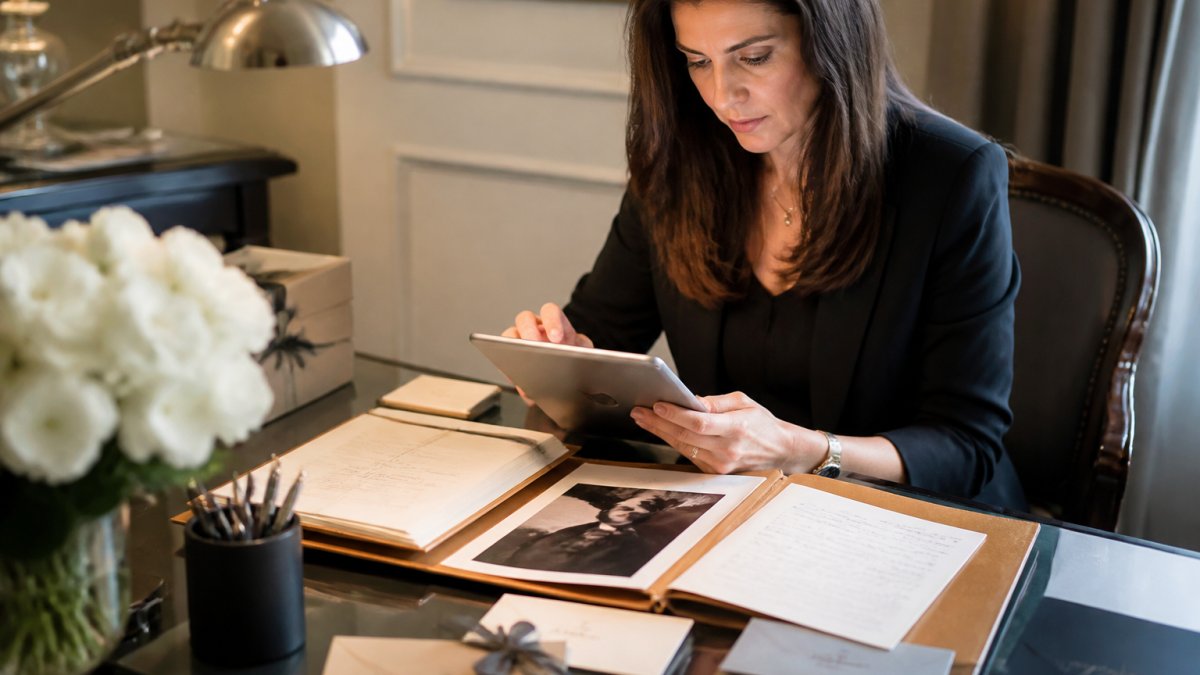
Not all high-value customers are the same. A client spending £50,000 annually on jewellery has different needs from one spending the same on property consultation. Segment by purchase history, frequency, category preference, and lifetime value.
Once segmented, your team knows exactly which clients need which type of outreach. A lapsed client in the top tier gets immediate personal attention. A new prospect in a lower segment might start with a welcome automation sequence, then graduate to human contact once they show engagement.
Effective segmentation means:
- Grouping clients by annual spend or lifetime value
- Tagging by product category and purchase patterns
- Flagging seasonal buyers versus year-round customers
- Identifying clients who prefer phone contact over email
This structure lets you personalise at scale without overwhelming your team.
Setting Clear Handoff Points Between Systems and Staff
The biggest mistake in balancing automation and human touch in luxury is blurring the line between them. A client should never feel like they're talking to a robot, then suddenly handed off to a person who knows nothing about them.
Set explicit handoff rules. Example: an automated email nurture sequence runs for three touches. If no response, a human takes over. Or: a new prospect gets an automated welcome email, but within 48 hours, a team member sends a personalised message referencing something specific about them.
Clear handoff points prevent:
- Clients receiving duplicate messages from both systems and staff
- Staff wasting time on prospects the system should handle
- Automation running too long and damaging the relationship
- Clients feeling abandoned when they finally need human help Refining these transitions requires a deliberate shift toward human-centric leadership strategies to ensure that technology remains a supportive tool rather than a barrier to authentic connection.
Document these rules and train your team to follow them consistently.
Personalised Sales Outreach Examples That Drive Results
Personalised outreach in luxury works because it shows effort. A generic email takes seconds to send. A message that references a client's specific purchase history, preferences, or life event takes thought. That thought is what builds loyalty.
The most effective personalised outreach combines data (what you know about them) with human insight (what you understand about their situation).
Post-Purchase Follow-Up Through Handwritten Communication
After a purchase, most brands send an automated thank-you email. It's efficient. It's also forgettable.
A handwritten note, or a handwritten letter sent at scale through a service like RoboQuill, stands out. It feels intentional. It's something the client might actually keep.
The note doesn't need to be long. It needs to be specific. Reference the item they bought. Mention how you hope they enjoy it. Add a personal touch if you know something about them (their style, their use case, their previous purchases).
Clients feel seen. They're more likely to return and to refer others.
Re-Engagement Campaigns for Lapsed High-Value Clients
A client who spent regularly but hasn't purchased in six months is at risk. A generic "we miss you" email rarely works. They've probably received dozens of those.
Re-engagement works when it's personal and acknowledges the gap. A handwritten letter from a specific team member, perhaps the person who originally served them, often succeeds where digital outreach fails.
The message might say: "We noticed it's been a while since we've seen you. We've added some new pieces we think you'll love, and we'd like to set up a time to show you personally."
That combination of acknowledgment, specificity, and invitation to reconnect is powerful. It says you've noticed their absence. You care enough to reach out. You're offering real value, not just a discount.
Watch Out Avoid generic re-engagement campaigns that feel like spam. If you're going to reach out, make it personal enough that the client knows you remember them.Personalised Direct Mail for High-Value Clients: Implementation
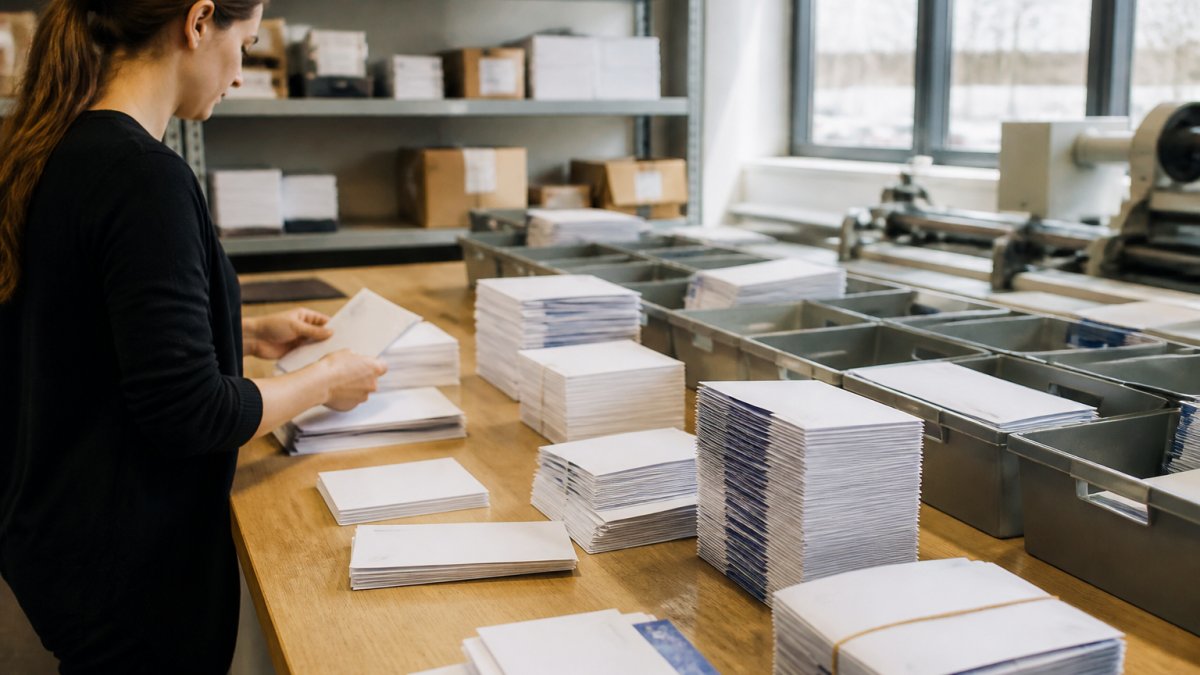
Direct mail in the luxury space works because it's rare. Most competitors are fighting for attention in the digital inbox. A beautifully designed piece of mail arrives as a physical object the client can hold.
Get prices for your campaign →
Handwritten elements make it even more effective. When a client sees their name written by hand on an envelope, or when they open the envelope to find a personalised note, they know effort went into reaching them.
Implementation steps:
- Build your list. Start with your highest-value clients or most lapsed customers. Segment by preference and purchase history.
- Design the piece. Keep it simple. High-end design doesn't mean busy design. Luxury is often minimal.
- Add the handwritten element. This is where personalised direct mail creates impact. A handwritten note or address makes the piece impossible to ignore.
- Time the send. Coordinate with your team's follow-up. Send the mail, then have someone call or email three days later.
- Track response. Use a unique code or landing page so you can measure which clients respond and when.
The handwritten element doesn't have to be done by hand. Services like RoboQuill replicate natural handwriting at scale, so you can send hundreds of personalised pieces without hiring a team of people to write them.
Customer Journey Automation in Luxury: What to Automate and What to Keep Human
Not every step in a customer journey should be automated. The key is knowing which steps benefit from automation and which ones lose value when they're automated.
Automating Initial Discovery and Qualification
When a prospect first interacts with your brand, they don't need a human yet. They need information. Automation handles this well.
Automate:
- Welcome sequences that introduce your brand and values
- Product recommendations based on browsing or purchase history
- Educational content that helps prospects understand your offerings
- Initial qualification questions that route prospects to the right team member
- Reminders about abandoned carts or incomplete applications
These automations save your team time on low-value tasks. They also give prospects the information they need without waiting for a human response.
Keeping High-Touch Moments for Relationship Building
The moments that build loyalty and trust should stay human. These include:
- First conversation with a new prospect. A human voice or personalised message, not a bot.
- Handling objections or concerns. Clients with doubts need to talk to someone who understands their situation.
- Major purchases or milestones. A handwritten thank-you, a phone call, or a personal meeting.
- Lapsed client re-engagement. The outreach should come from a real person who remembers them.
- VIP service and exceptions. When a client needs something special, they should reach a human who can make it happen.
The balance is this: use automation to move prospects through the early stages fast. Use humans to close deals and build relationships that last.
Key Takeaway Automation moves prospects through the funnel. Humans move prospects into loyalty. You need both.Measuring Success: Tracking ROI When Blending Channels
When you're balancing automation and human touch in luxury, measurement becomes tricky. How do you know which channel drove the sale? How do you compare the ROI of a handwritten letter to an email campaign?
Track these metrics:
- Response rate by channel. How many prospects respond to email versus direct mail versus phone outreach?
- Conversion rate by segment. Do VIP clients respond better to certain channels?
- Time to conversion. How long does it take for each channel to move a prospect to purchase?
- Customer lifetime value by source. Clients acquired through personal outreach often spend more over time.
- Cost per acquisition. Compare the cost of direct mail plus handwritten notes to email or digital advertising.
The goal isn't to prove one channel is superior. It's to understand which combinations work best for which segments. A new prospect might convert fastest through email. A lapsed VIP might return only after a handwritten letter.
Use this data to refine your mix. If handwritten outreach to high-value clients costs more but converts at double the rate of email, that's a worthwhile investment.
Common Pitfalls When Balancing Automation and Personal Service
Many brands get this balance wrong. They either over-automate and lose the human element entirely, or they resist automation and fail to scale. Here's what to avoid.
Over-automating without personalisation. Automation that feels generic kills luxury positioning. If your automated emails look like they could go to anyone, they won't work.
Automating too late in the journey. If you automate the first touch, you've missed the chance to make a strong first impression. Let humans handle initial discovery and qualification.
Inconsistent handoff between channels. When a client moves from email to phone to in-person, they should feel like they're talking to the same team.
Treating all clients the same. Your top 20% of clients deserve different treatment than your bottom 50%. Segment ruthlessly. Your VIPs should get more human time. Everyone else gets smart automation.
Ignoring the data. If your direct mail campaign isn't converting, don't keep sending it just because it feels luxurious. If email is outperforming everything else for a particular segment, lean into it.
Frequently Asked Questions
How can luxury brands balance automation with personal service?
Luxury brands succeed by automating repetitive tasks like initial contact and data collection whilst reserving high-touch moments for relationship building. Use automation to segment customers and trigger timely outreach, then hand off to your team for meaningful conversations. Personalised direct mail at scale, combining automated targeting with authentic handwritten elements, bridges this gap effectively, creating memorable touchpoints that feel genuinely personal rather than mass-produced.
Which parts of the luxury customer journey should be automated?
Automate early-stage activities: welcome sequences, behavioural triggers, and initial qualification. Automation also works well for transactional confirmations and reminders. However, keep relationship deepening, objection handling, and high-value negotiations human-led. The moment a prospect shows serious intent or becomes a VIP, transition them to your sales team. This approach maximises efficiency whilst ensuring your best people focus on customers most likely to convert and remain loyal.
What does good clienteling look like in a digital-first luxury business?
Effective clienteling combines CRM intelligence with genuine human attention. Your team should know each VIP's preferences, purchase history, and communication style before any interaction. Digital tools organise this data; your staff personalise the experience. Sending a handwritten note after a significant purchase, remembering a client's preferred contact method, or proactively offering exclusive access to new collections, these actions feel personal because they're informed by systems but delivered with care. Integration between your CRM and outreach channels ensures nothing falls through the cracks.
How can luxury brands personalise customer outreach at scale?
Scale personalisation by layering automation with authentic touchpoints. Use your CRM to identify segments and trigger campaigns automatically, but personalise the message itself. Handwritten direct mail, for instance, combines system-driven targeting with genuinely unique pen pressure and spacing, making each piece feel individually crafted rather than templated. Pair this with follow-up calls from your team, and you've created a multi-channel experience that feels bespoke despite reaching hundreds or thousands of prospects simultaneously.
Balancing automation and human touch in luxury isn't a one-time decision. It's an ongoing adjustment based on what works for your clients and what your team can sustain. The brands winning in luxury right now are the ones using automation to handle the volume so humans can focus on the relationships that matter. That's the competitive advantage: scale without losing soul.
Get prices for your campaign